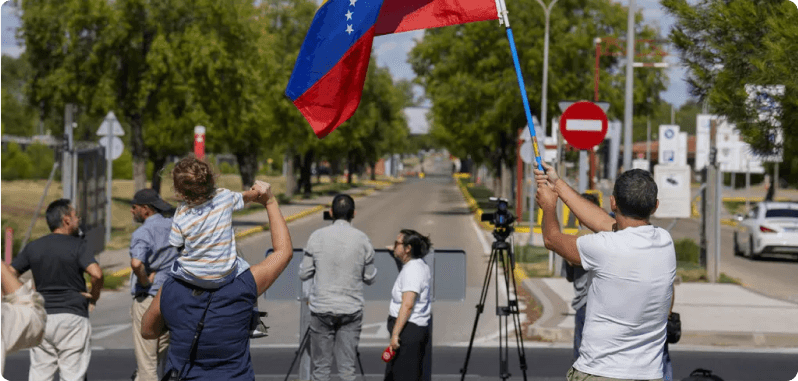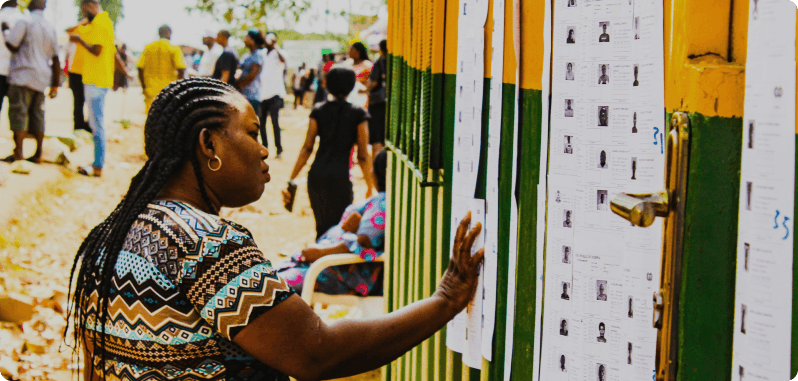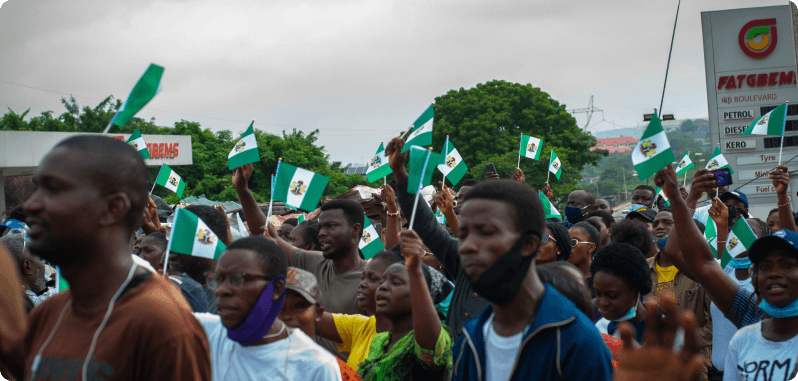
Both Venezuela and Nigeria share striking similarities in their electoral challenges, rooted in deep-seated manipulation and fraud. Nigeria’s struggles with election rigging, particularly during the collation process, have been evident since the infamous 2007 elections that ushered in Umaru Yar’Adua as president. These elections were so flawed that Yar’Adua himself acknowledged the issues, marking the start of a pattern that has persisted through subsequent elections, including the controversial 2023 general elections. Meanwhile, Venezuela, despite having an electronic transmission system for election results, has faced similar issues with electoral manipulation by a compromised National Electoral Council (CNE). Both nations, despite the potential for free and fair elections, are trapped in cycles of distrust due to the lack of transparent electoral processes.
In Nigeria, the rigging often occurs at the ward and LGA collation centers, far from public scrutiny, where security forces frequently harass or intimidate party agents and citizen monitors. The only part of the process the public can reliably access is the polling unit, making it nearly impossible for citizen monitors to verify tally sheets beyond the initial voting stage. In contrast, Venezuela has the technology to electronically transmit results but continues to face manipulation during the final announcement of election outcomes. This case study explores how Venezuela’s citizen-led election monitoring model, despite facing its own challenges, can provide valuable lessons for Nigeria, where an independent monitoring framework could help ensure the authenticity of election results before they are manipulated in the collation stages.