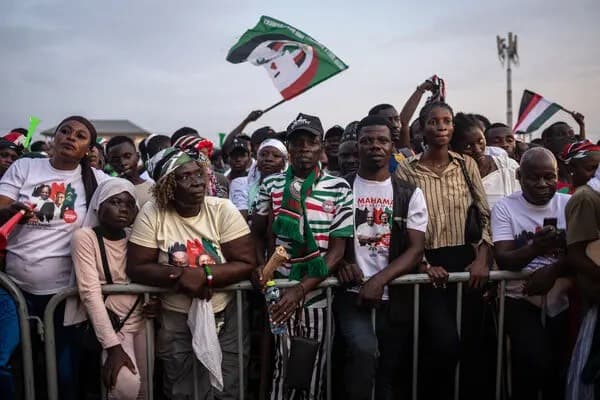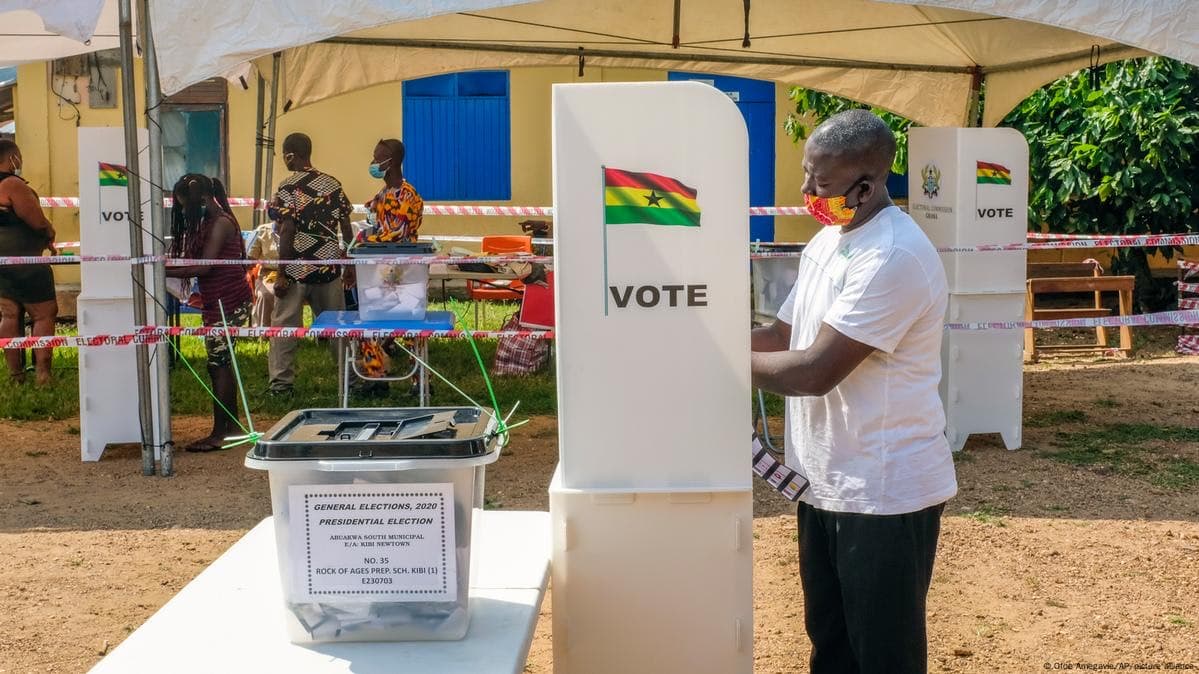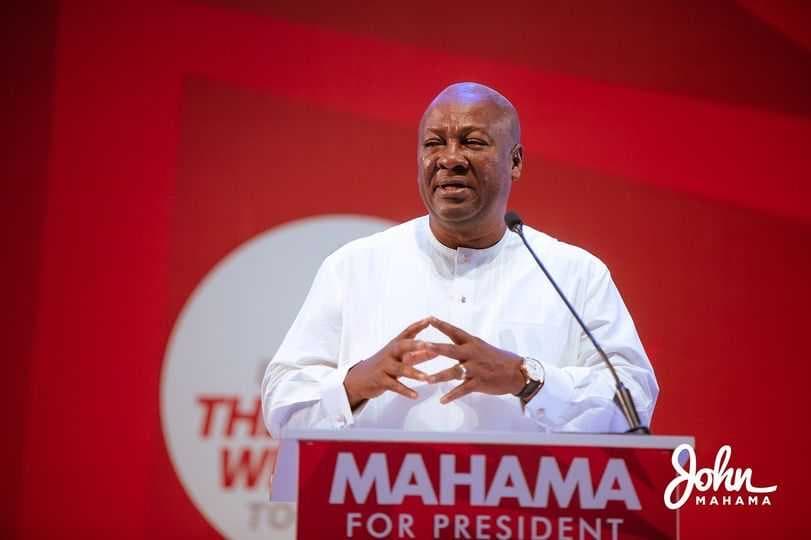
Ghana has once again proven why it is often hailed as a beacon of democracy in Africa. The 2024 presidential election, held on December 7, showcased a level of political maturity, peaceful engagement, and robust electoral processes that many African nations aspire to emulate. Former President John Dramani Mahama emerged victorious with 56.55% of the vote, defeating the incumbent Vice President Mahamudu Bawumia, who graciously conceded just hours after the results were announced.
The election was not just about choosing a leader—it was a reaffirmation of Ghana’s democratic values. But what lessons can other African nations, particularly Nigeria, draw from this? More importantly, how can platforms like Citizen Monitors help turn these lessons into reality?
A Peaceful and Transparent Electoral Process
One of the most striking aspects of Ghana’s 2024 election was the peaceful conduct of the process. Despite being a high-stakes election between two major political figures, the campaigns and election day itself were marked by relative calm. This is a sharp contrast to many elections across Africa that are often marred by violence, allegations of malpractice, and contested outcomes.
Vice President Bawumia’s swift concession after the results were declared not only reflected respect for the will of the people but also set a tone for peace. This act alone diffused any potential post-election tensions, underscoring the importance of leaders respecting a fair electoral process and prioritizing national unity over crude personal ambition.
For Nigeria, where elections are frequently fraught with disputes and delays in result announcements, Ghana’s example serves as a powerful reminder of the impact of credible leadership and transparent processes.
Prioritizing the Economy Over Ethnicity
A significant lesson from Ghana’s election lies in the issues that shaped voter decisions. The electorate focused heavily on economic performance, holding leaders accountable for their governance during challenging times. In a continent where elections often revolve around ethnic affiliations, Ghanaian voters showed that accountability and competence matter more than tribal loyalty.
For Nigerians, who have witnessed decades of divisive politics, this shift is critical. Citizen Monitors can play a role in fostering a more issues-based political culture by providing real-time data and transparent reporting, allowing voters to focus on candidates’ track records rather than their ethnic backgrounds.
Robust Electoral Processes as a Model
Ghana’s electoral commission deserves recognition for its efficient and transparent handling of the election. Results were communicated promptly, reducing the window for speculation and potential unrest. Observers noted the meticulous collation of votes, the involvement of stakeholders at every stage, and the trust built between the electoral body and the citizens.
In Nigeria, where the integrity of the electoral process is often questioned, adopting similar practices can restore public confidence. Platforms like Citizen Monitors can bridge this gap by empowering citizens to monitor and report election activities, ensuring transparency from the polling unit to the national level.